The scientific evidence on this issue is clear and compelling. Scientists warn that global warming, pollution, and the depletion of the ozone layer could soon pose a serious threat to our very existence if meaningful action is not taken now. Governments, businesses, and organizations of all kinds are therefore taking concrete steps to address the damage that has already been done.
01A new, exciting program for New Jersey
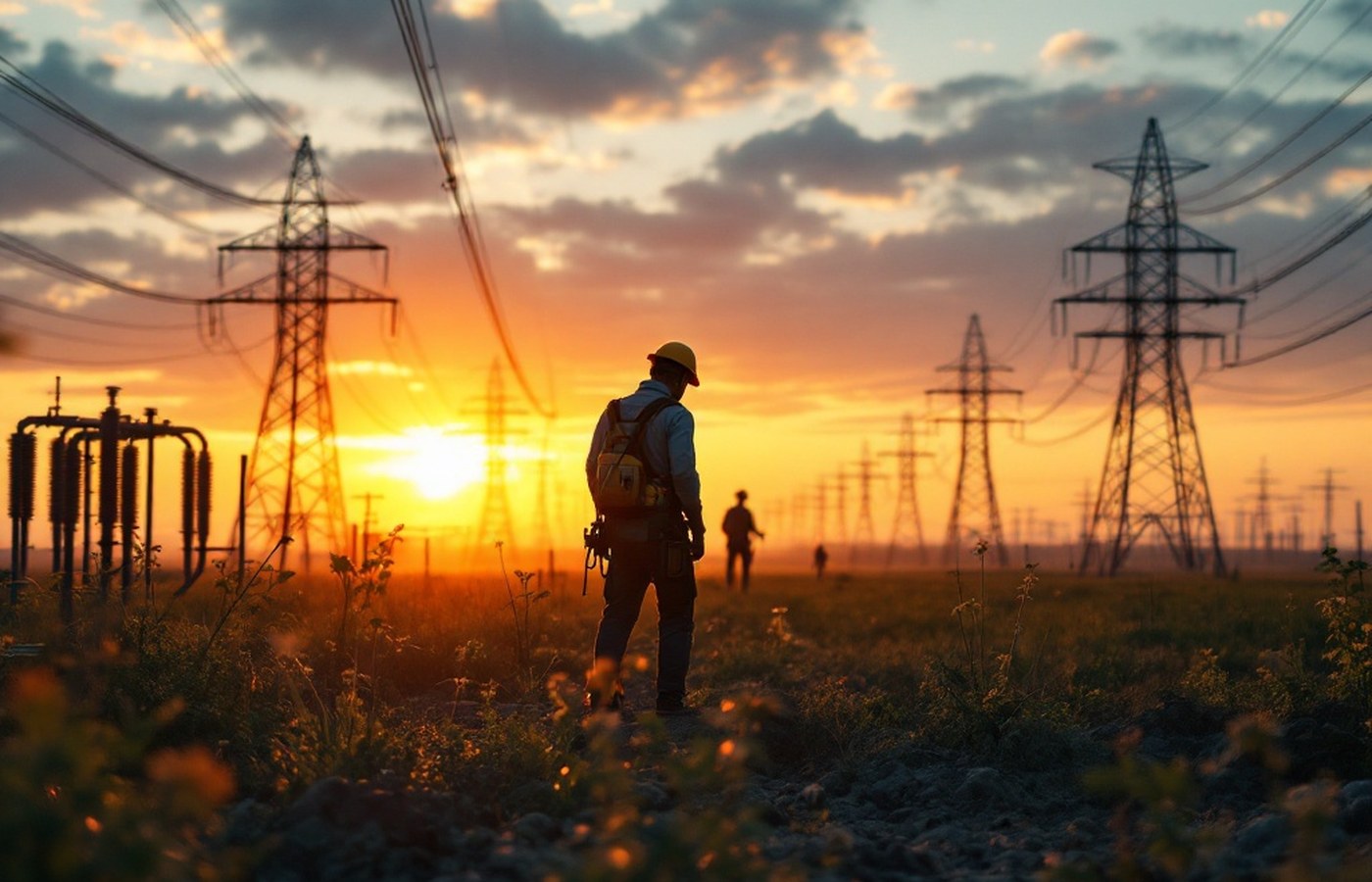
The Public Service Electric and Gas Company (PSE&G) has unveiled an ambitious plan aimed at reducing energy consumption — and, along with it, the harm being done to the environment. The program is a massive four-billion-dollar undertaking, set to roll out over a period of six years. The goal of the clean-energy project is to help New Jersey meet its ambitious environmental targets while also delivering real benefits to customers in the form of lower energy bills.
02The main idea
The central premise of the Clean Energy Future (CEF) project is to shift people toward a more energy-efficient way of living — bringing total energy consumption down across the board, and reducing the cost of energy in the process. The plan makes significant investments in electric-vehicle infrastructure, energy storage, and smart meters, though the largest share of the funding is earmarked specifically for energy-efficiency measures.
Where the $4 billion goes
03Energy efficiency and infrastructure for electric vehicles
Approximately 2.8 billion dollars is expected to be directed toward energy efficiency, including customer incentives and rebates. The funding will be used to encourage and motivate people to purchase electrical appliances that consume less electricity, and to place a wider range of efficiency tools in their hands. These measures are estimated to generate around six billion dollars in overall savings for customers over time.
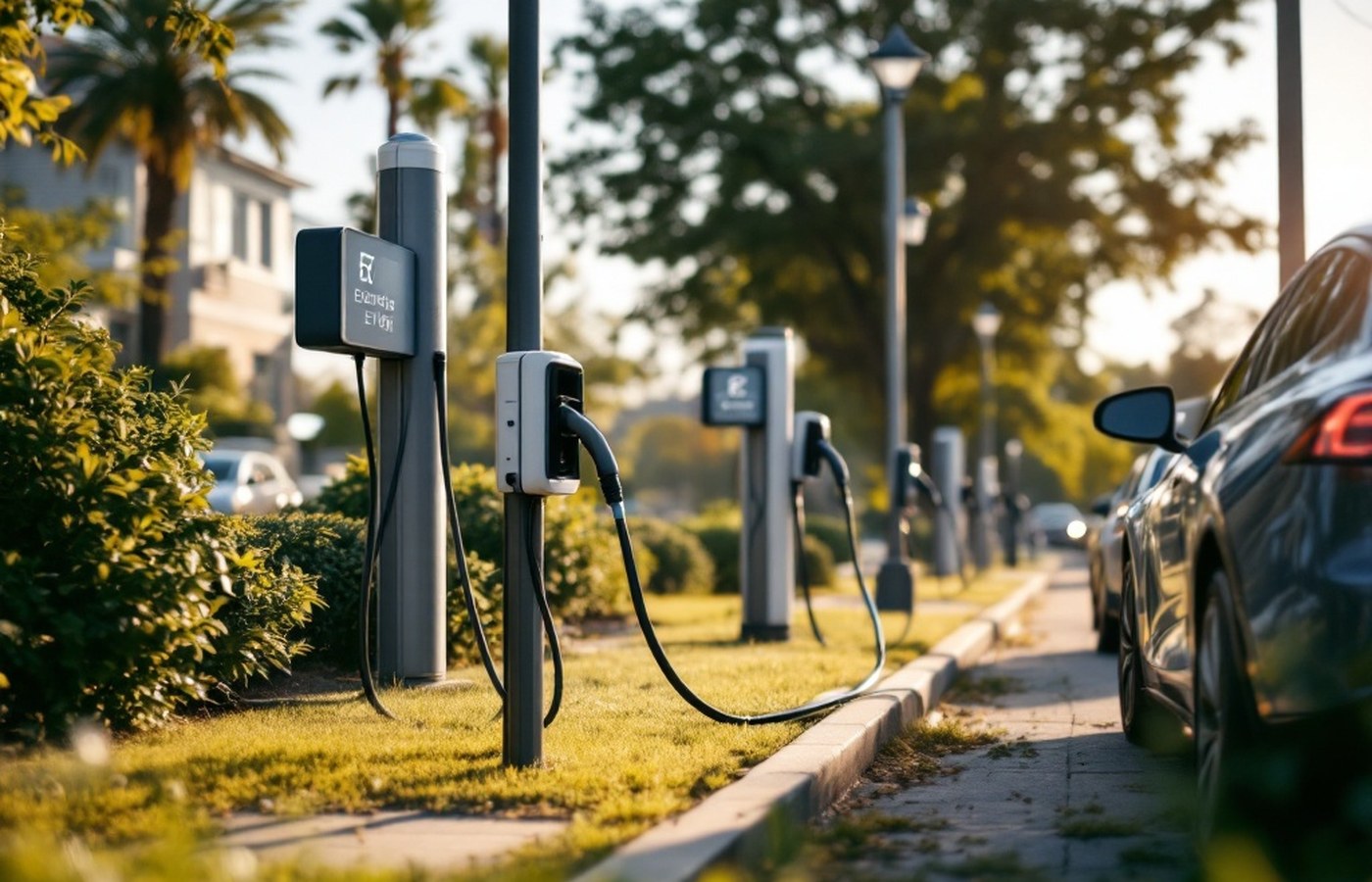
The other key strand of the program is its investment in electric-vehicle infrastructure, which is expected to have a significant impact on reducing greenhouse gas emissions. Currently, according to available sources, fifty-two percent of greenhouse emissions in New Jersey come from motor vehicles. The initiative aims to encourage the public to choose electric vehicles over conventional ones — for the benefit of the environment — by building a better and far more extensive charging network than has previously existed. The amount allocated for this component, under the energy-efficiency plan, is three hundred and sixty-four million dollars.
04Conclusion
All of these steps follow recent legislation raising New Jersey's Renewable Portfolio Standard (RPS) to fifty percent by the year 2030. PSE&G is confident that the targets and goals laid out in the CEF are well designed to help New Jersey achieve exactly that.
PSE&G — quick facts
- Headquarters
- Newark, New Jersey, USA
- Founded
- 1903 — New Jersey’s largest utility
- Serves
- Millions of electric & gas customers across NJ
- Official site
- pseg.com