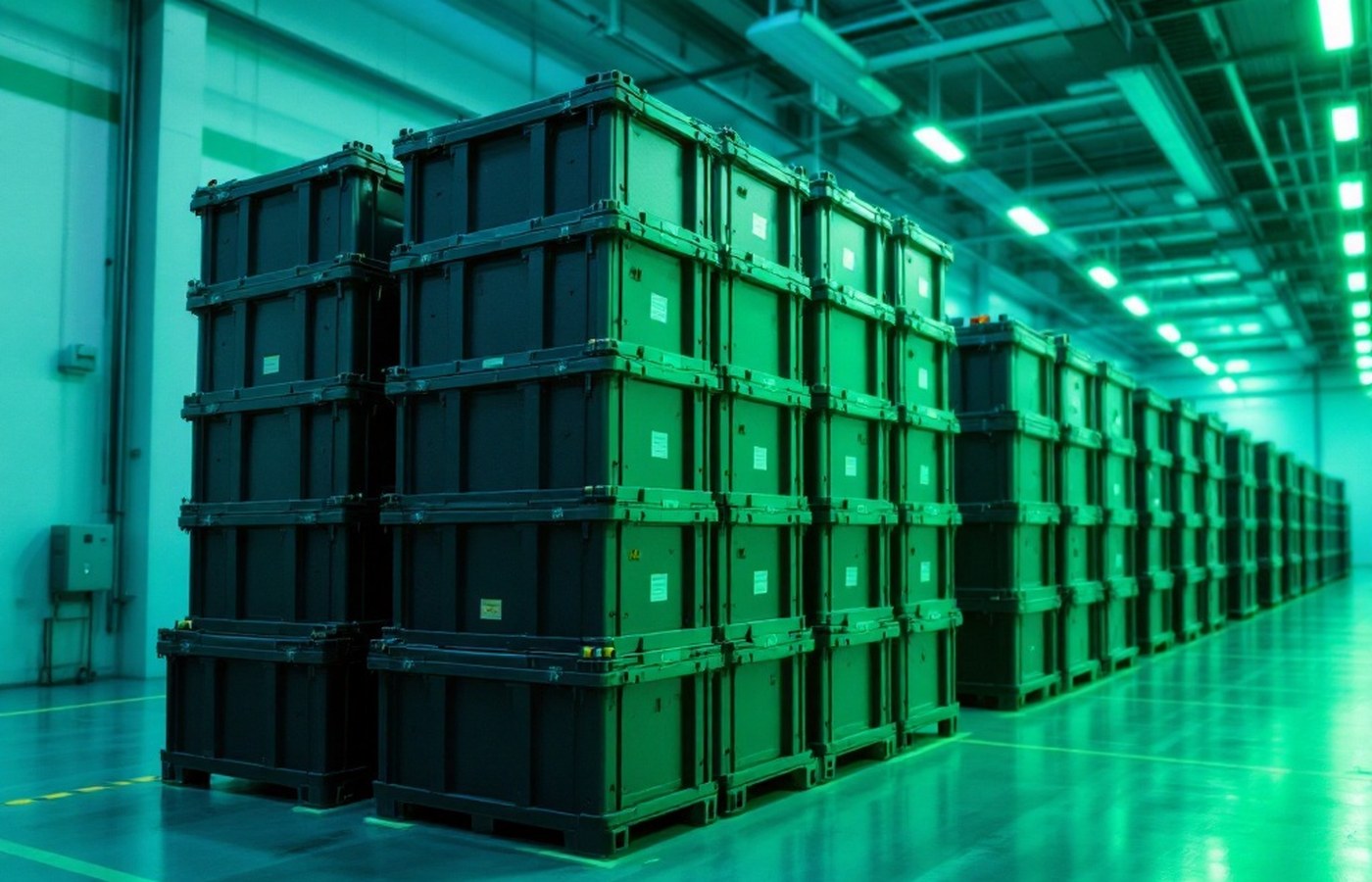
Renault has been in the automotive industry for well over a century, and in that time it has built an enviable reputation as an innovator as much as a manufacturer. The company has never been content simply to make cars — it consistently pursues ventures aimed at solving problems others have left untouched. Together with a group of strategic partners, Renault put forward an ambitious plan for an Advanced Battery Storage system, which it billed as the largest energy-storage installation Europe had ever seen. The core concept is to construct that storage infrastructure using reused battery packs recovered from retired electric vehicles. The system is designed to be fully modular and distributed across multiple sites in both Germany and France.
The primary motivation Renault cited for the project is to enable renewable energy to be used in ways that had not previously been attempted at scale, while also helping to stabilise the grid at its required operating frequency of 50 Hz. The overarching goal was to deploy the largest stationary energy-storage system in Europe — and to have it fully operational by 2020.
The spec sheet
Renault's plan called for reusing more than 2,000 battery packs sourced from a range of electric vehicles, yielding a combined energy capacity of 60 MWh and a power output of 70 MW — roughly equivalent to the energy needs of 5,000 households in a major city. As outlined, the system would be spread across several interconnected locations in France and Germany. The first hub was to be installed at Renault's own facilities, while a second would be established in Germany, where a decommissioned power station was earmarked for conversion into a modern energy hub. The project would then expand in stages until the full 60 MWh target was reached by 2020.
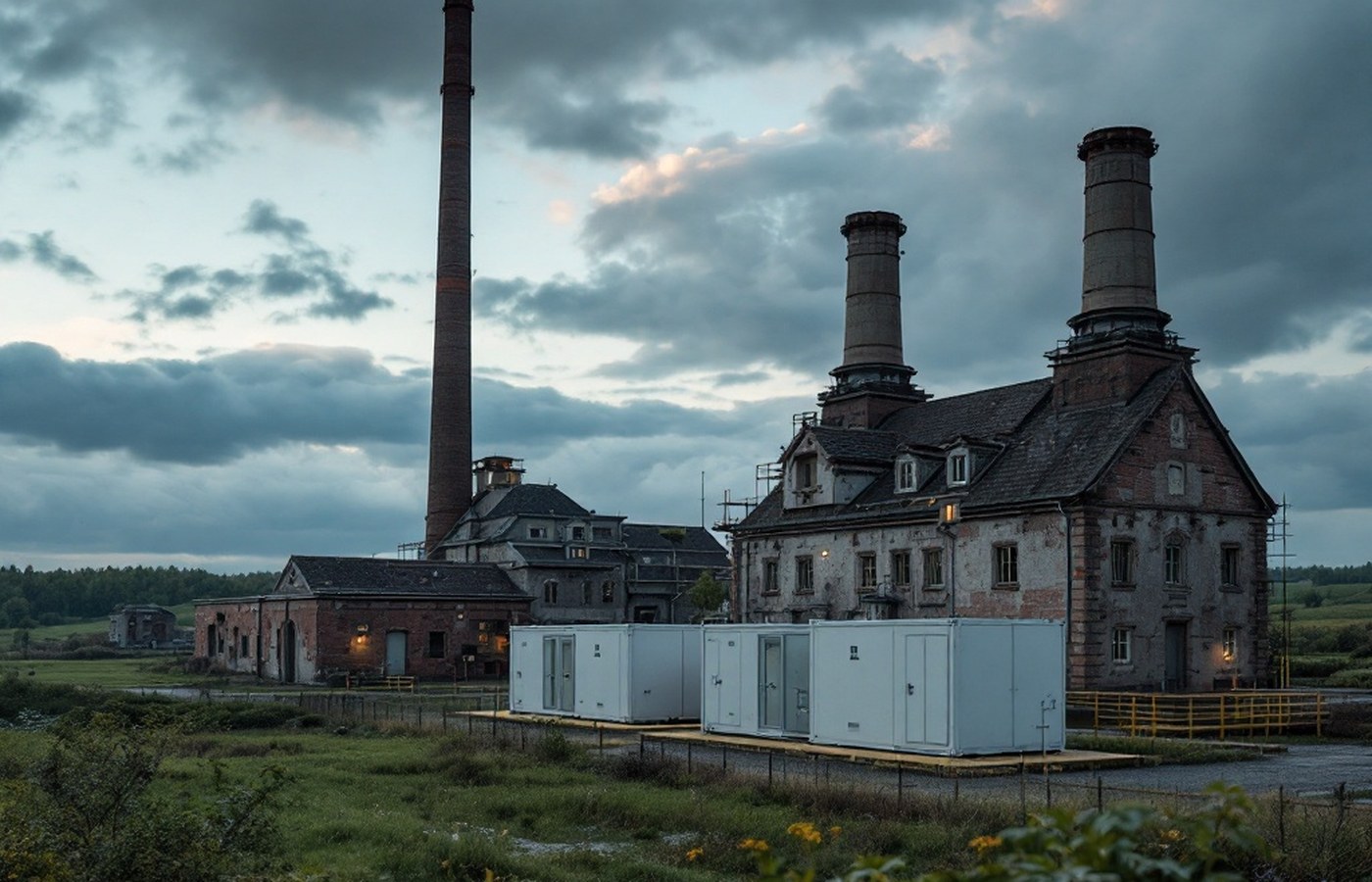
The Advanced Battery Storage system was designed to function as a distributed energy store. The principle behind it is straightforward: absorb surplus renewable energy when grid demand is low, then feed that stored energy back into the grid the moment demand rises again.
In this way, the least amount of renewable energy will go to waste — and it can be used when there is an actual need.The logic of second-life storage
Keeping supply and demand in balance has always been one of the most persistent challenges in energy generation and distribution. A solution of this kind has the potential to make that balance significantly easier and more reliable to maintain.
Renault is first and foremost an automaker, but it has shown a clear willingness to invest in projects that extend well beyond the factory floor — particularly those with a positive impact on the world. Climate change remains an enormous and urgent problem, and there are still far too few organisations taking meaningful steps to address it. The honest reality is that every country and every major industry needs to pursue initiatives like this one, because generating and storing renewable energy at scale represents a genuinely important step forward. By pairing electric vehicle battery reuse with grid stabilisation, projects such as this one offer a practical path toward finally bringing the balance between supply and demand within reach.
Renault Group — quick facts
- Headquarters
- Boulogne-Billancourt, France
- Founded
- 1898, by Louis Renault and his brothers
- Storage sites
- Multiple interconnected hubs in France & Germany
- Official site
- renaultgroup.com