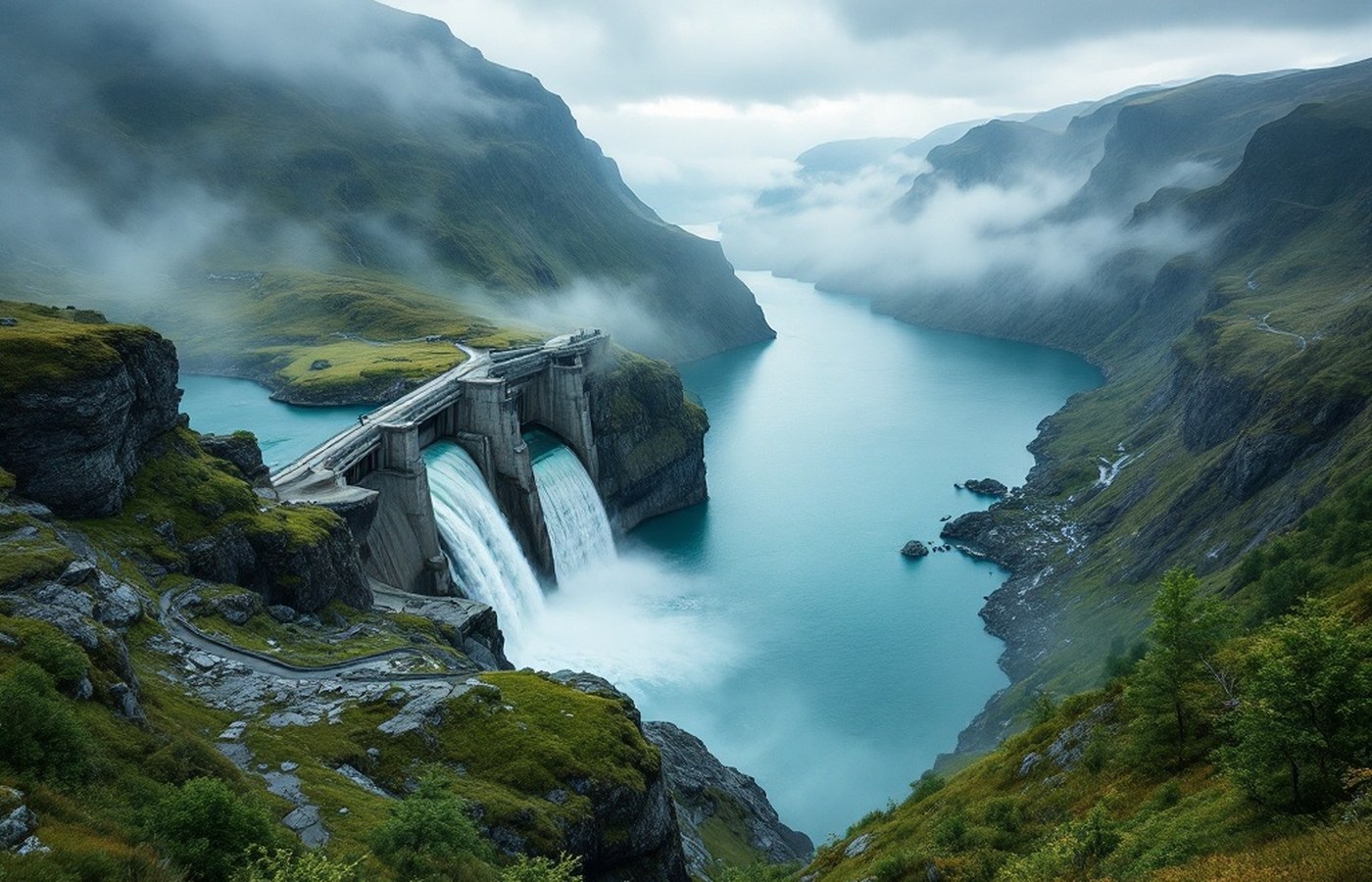
Statkraft is a state-owned hydropower company based in Norway — the country's largest renewable energy producer and the third largest in the wider European region. The company operates across multiple energy streams, including wind power, gas power, and hydropower, among others.
The company’s heart, though, is renewable energy — and that is a great thing, because it helps make our world a better place.
Statkraft is one of Norway's most significant companies by scale. It owns 331 hydropower plants: 231 in Norway, 59 in Sweden, 3 in the UK, 10 in Germany, and the remainder spread across markets outside Europe. The company employs more than 3,500 people and generated over 65 terawatt-hours of electricity in the previous year. Committed to driving Norway's renewable output even higher, it announced plans to invest US $1.2 billion annually from 2019 through to 2025.
Statkraft by the numbers
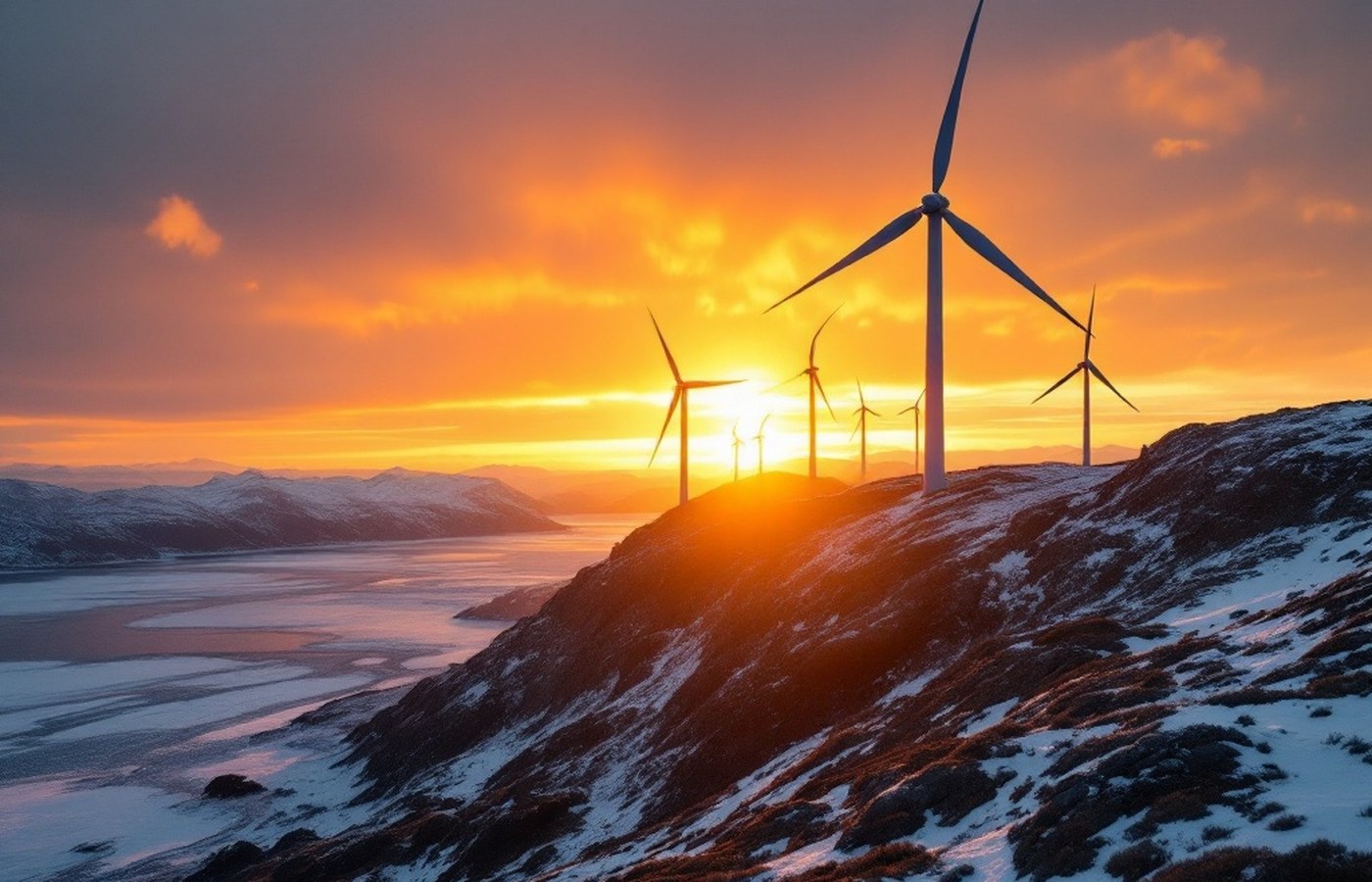
Alongside this major financial commitment, the company has been carrying out the upgrades and operational changes needed to increase its generation capacity. Its targets are ambitious: 6,000 megawatts of wind energy capacity and 2,000 megawatts of solar power. This direction was set roughly a year after Statkraft made the strategic decision to exit the offshore wind sector and refocus on solar, hydropower, and onshore wind, together with its other established renewable energy sources.
Europe is where the company expects to see the greatest benefit from this expanded energy output — though significant growth is also anticipated in markets where Statkraft already has an established footprint, including India and several countries across South America. According to the company's own projections, the distribution of this energy across those regions breaks down as follows:
Where the energy goes
The core strategy is built around developing, generating, and trading energy, as well as buying and selling renewable energy on behalf of third-party companies. A natural question arising from such an ambitious plan concerns where the funding would come from — and the straightforward answer is a combination of revenue from existing operations and proceeds from selling shares in completed solar and wind projects to financial investors. Taken as a whole, this represents a landmark moment for Norway, strengthening the country's economic standing and meaningfully expanding its contribution to the global renewable energy supply.
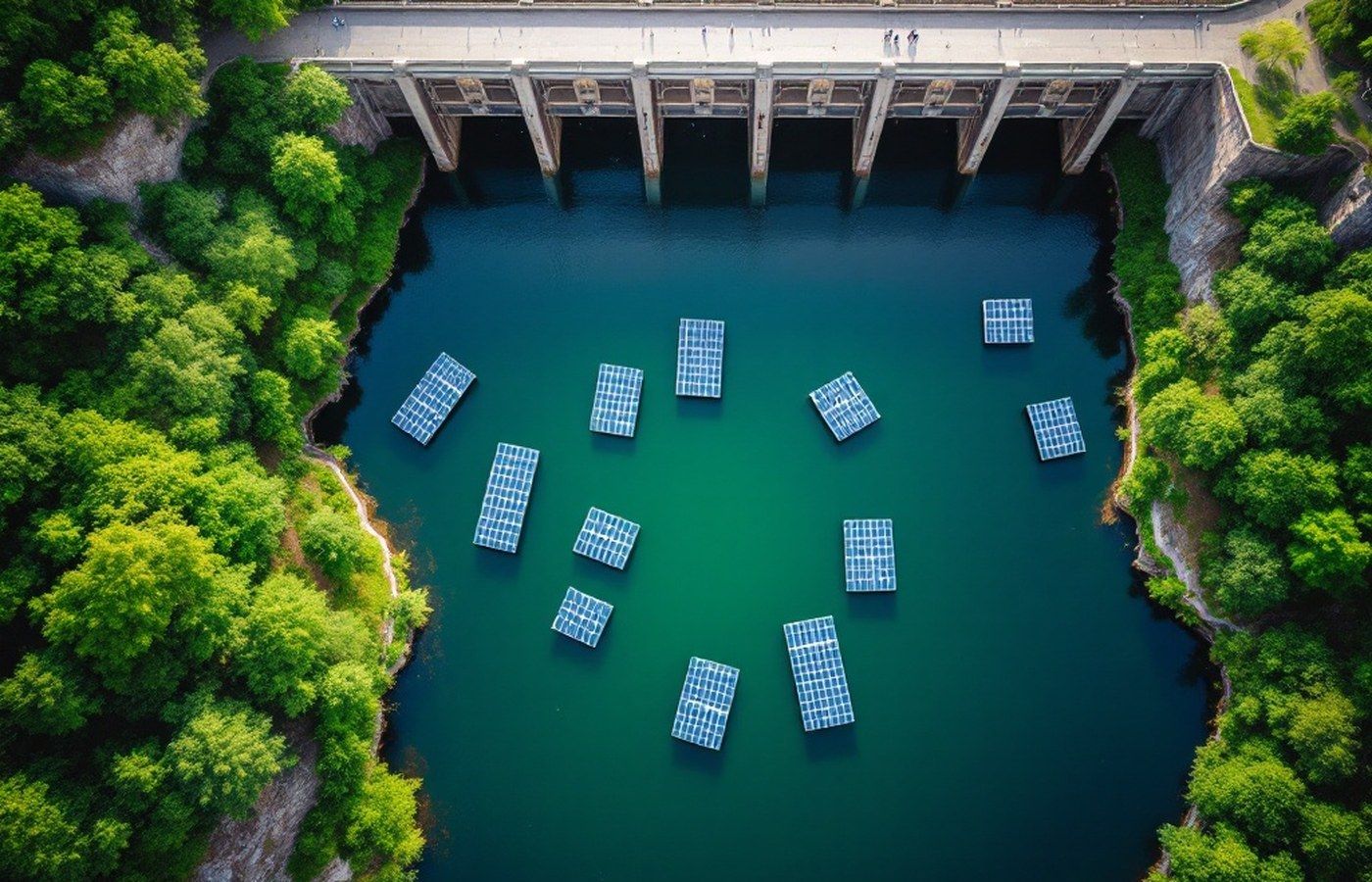
Those are the key points to understand about Statkraft and the strategy it has set in motion. Renewable energy is increasingly the direction the world must move in, and every country needs to take that reality seriously — because continued reliance on fossil fuels to meet our energy demands carries consequences that could prove irreversible. Burning fossil fuels is simply not a sustainable path to electricity generation when so many cleaner alternatives are available and maturing rapidly. It is encouraging to see companies of Statkraft's scale taking decisive steps in the right direction. They serve as a valuable example of what is possible, and one that other nations and businesses would do well to follow.
Statkraft — quick facts
- Headquarters
- Oslo, Norway
- Ownership
- 100% owned by the Norwegian state
- Roots
- Norwegian state hydropower since 1895
- Official site
- statkraft.com